FELICITY II Central Asia - "Stakeholder dialogue for piloting energy-efficient refurbishment of multi-family houses in Kokshetau and Nukus"
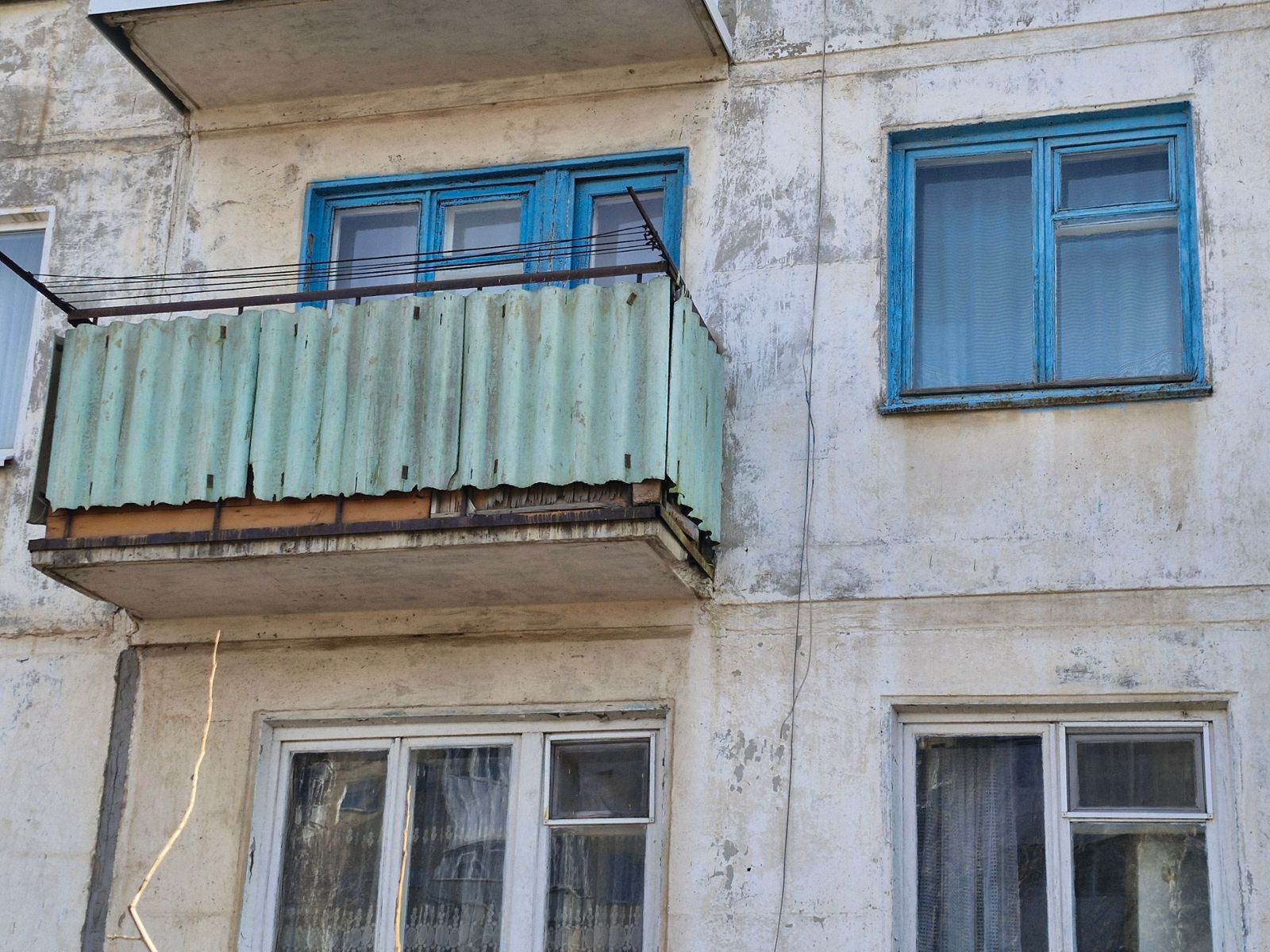
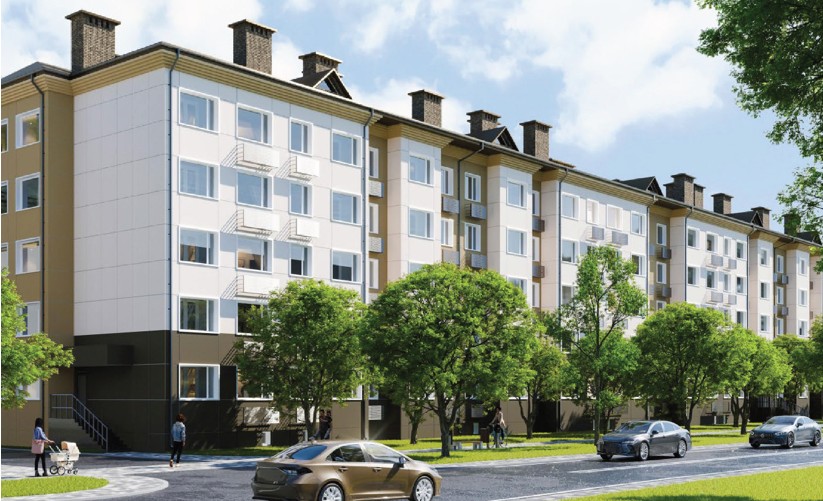
The “Financing Energy for Low-Carbon Investment - Cities Advisory Facility II (FELICITY II) Eastern Partnership and Central Asia Programme” - implemented by GIZ together with the EIB - supports the development of framework conditions and instruments, climate financing mechanisms and the preparation of bankable projects for investments to reduce carbon emissions in Kazakhstan, Uzbekistan and other countries. In Kazakhstan and Uzbekistan, the “Stakeholder dialogue for piloting energy-efficient refurbishment of multi-family houses in Kokshetau and Nukus” project supports the piloting of comprehensive energy-efficient refurbishments of two multi-family houses ─ typical residential buildings of industrial construction from the Soviet era (prefabricated buildings), one in Kokshetau, Kazakhstan, and one in Nukus, Uzbekistan. A holistic approach is being pursued in the pilot projects: Technical proposals from experts in Europe for complex energy-efficient refurbishments are implemented with existing local government resources to create exemplary demonstration buildings and develop more effective mechanisms for government and international financing of low-carbon infrastructure. Great emphasis is placed on the development of institutional frameworks that enable the expansion of energy-efficient building retrofits beyond demonstration projects.
By focusing on information and dialogue events, using experience from pilot projects, developing institutional frameworks and supporting policy dialogue, IWO's project approach is in line with GIZ's objectives of developing an “algorithm” adapted for Kazakhstan and Uzbekistan for scalable processes for the energy-efficient refurbishment of apartment buildings. A very important focus is on the dialogue with the residents, which, according to IWO's many years of experience and practice, is a key to significant and sustainable progress in the field of refurbishment and decarbonisation of apartment buildings.
Developing and implementing a dialogue process with the residents of the pilot properties in Kokshetau and Nukus is conceptually understood as, on the one hand, involving them better and more deeply in the topic of energy-efficient renovation of their residential buildings and thus increasing the likelihood of their consent to implementating the respective renovation project; on the other hand, to start developing a universal mechanism for communication and cooperation of the residents of apartment buildings and to develop an “algorithm” for working with residents for scalable projects/processes for energy-efficient renovation of apartment buildings. An important part of the pilot projects will be to develop institutional frameworks that will enable the scaling up of energy-efficient renovation of apartment buildings beyond the pilot projects.
IWO involves regional partners from Kazakhstan and Uzbekistan in the project, who have many years of experience in areas such as property management, refurbishment and energy modernisation of apartment buildings, which they have gained not least in international projects.
Project steps:
Step 1: Participation in the development of the institutional framework for the pilot project concept. Focus: Dialogue with the residents .
Step 2: Survey of apartment owners and residents in the pilot buildings.
Step 3: Creation of materials (information sheets) explaining the energy concepts for the apartment owners and residents.
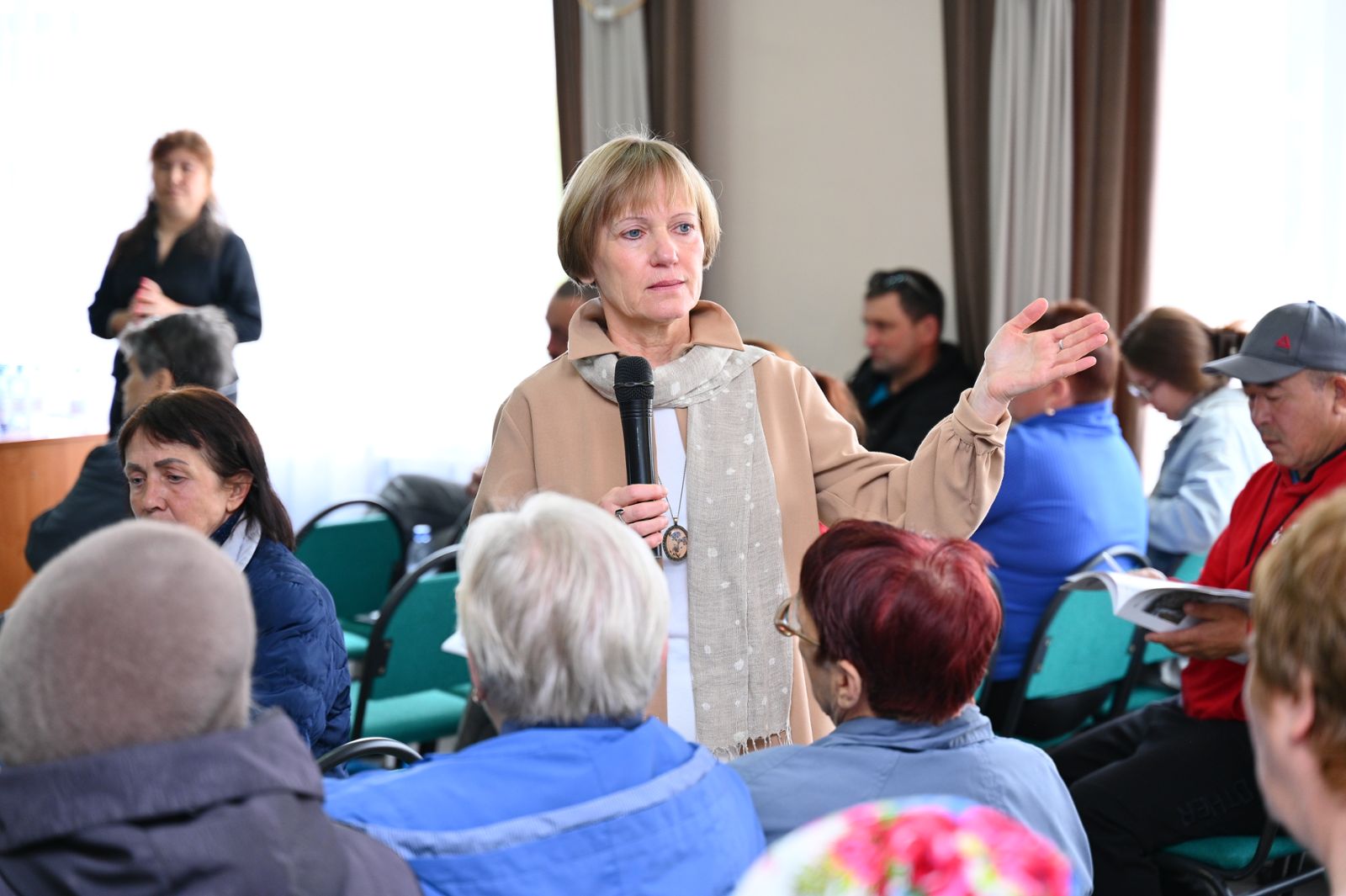
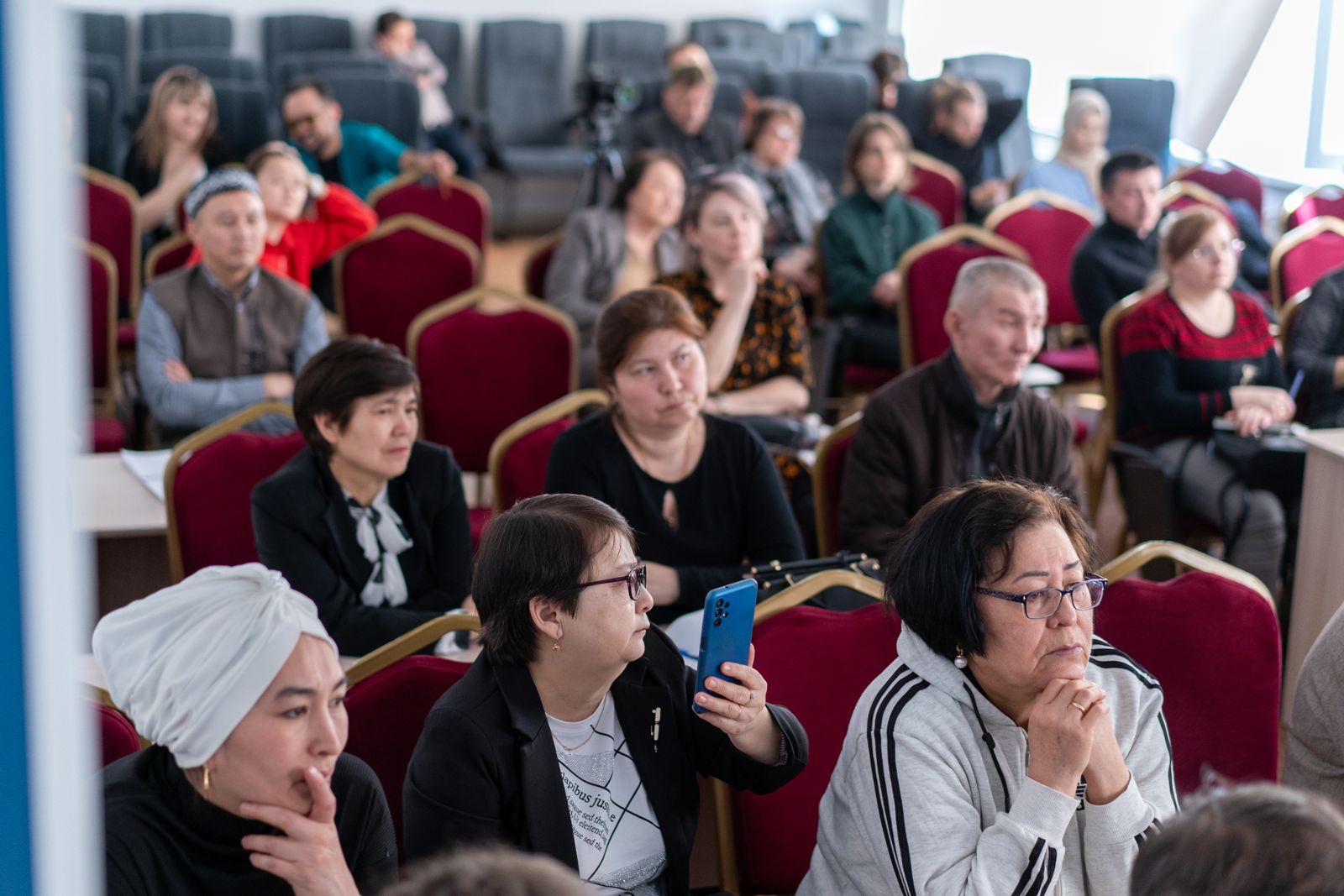
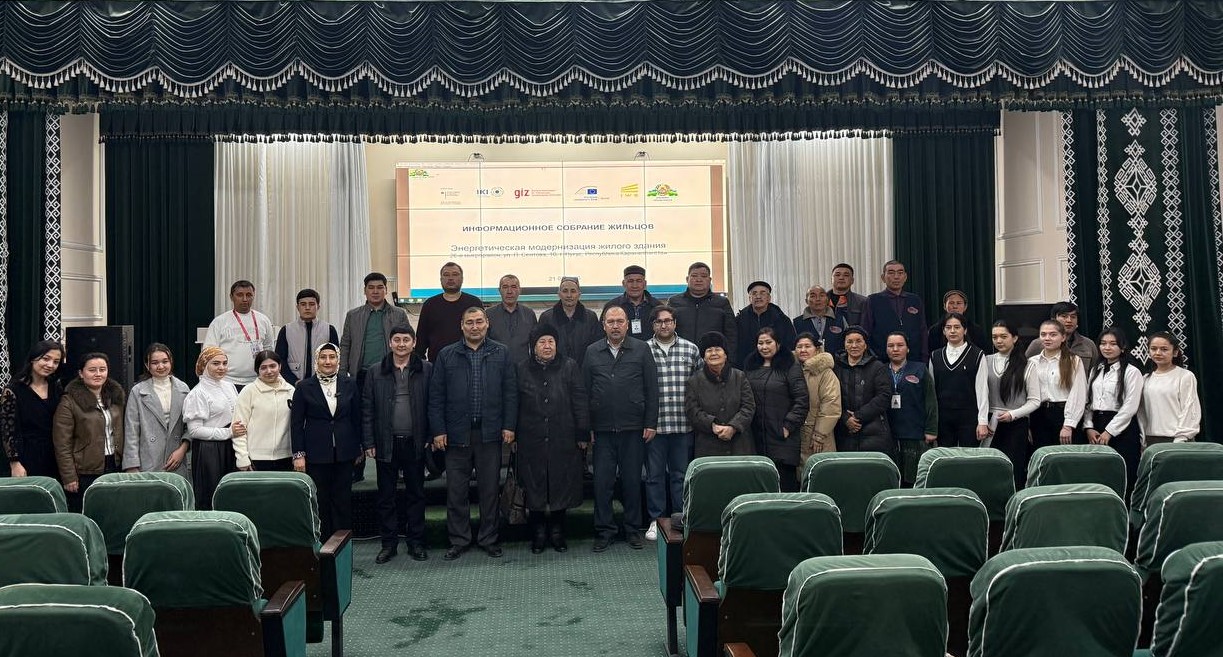
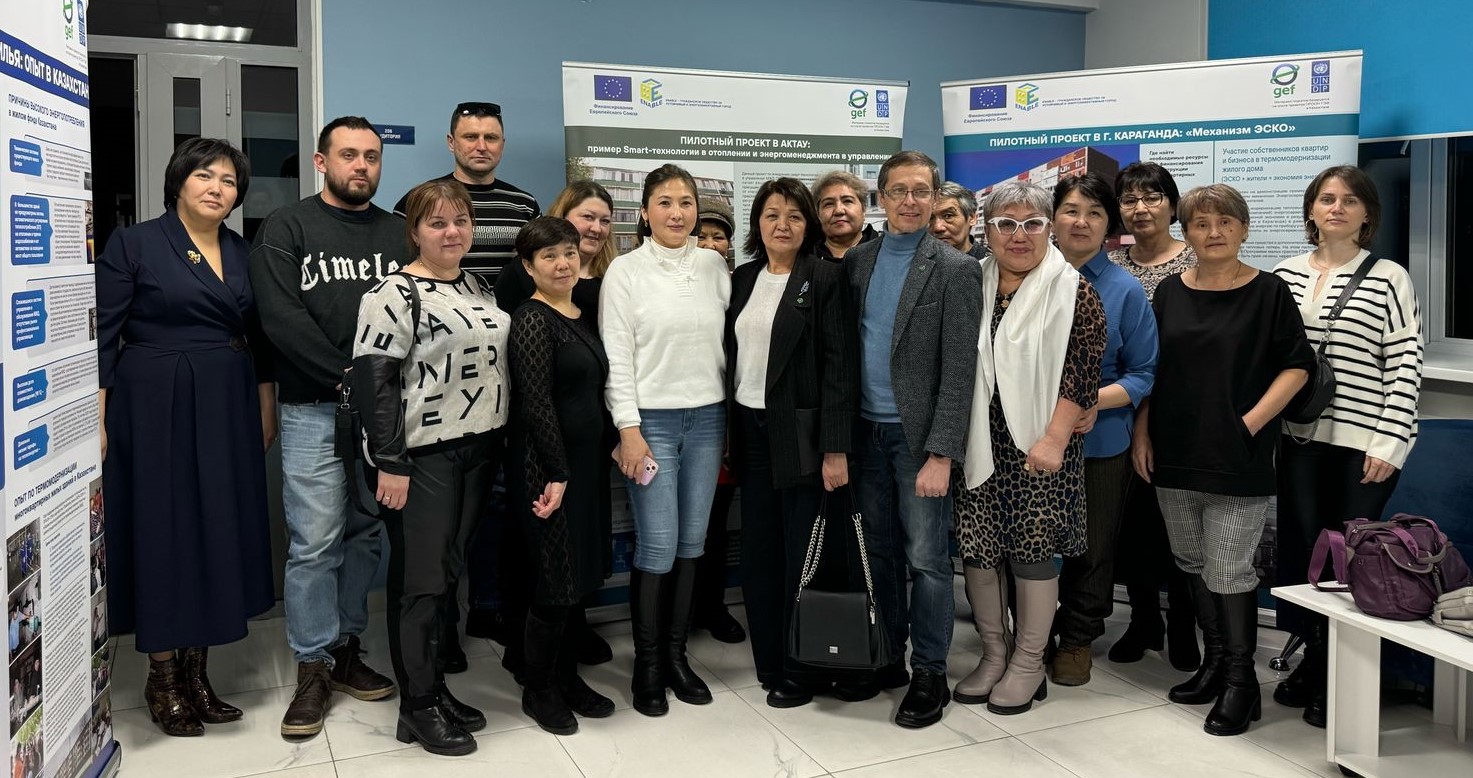
Step 4: Information event I and information event II & round tables with the local administrations (six events in total, three per country)
Step 5: Documentation of the information events and preparation of the results for further scaling steps.
The coordination and interaction of these steps...
- increases the knowledge of residents, representatives of city administrations and other stakeholders about the energy-efficient refurbishment of residential buildings,
- increases the chances that residents will agree to the implementation of a comprehensive energy modernisation of their buildings (pilot houses),
- strengthens the political will of city administrations to support pilot projects financially, after they are, among other things, more fully informed about the benefits of energy-efficient refurbishment for their cities with the help of international expertise and experience, and
- enables the project partners to investigate and describe the interactions and interdependencies of the parties involved in the process of energy-efficient refurbishment of multi-family buildings and to provide recommendations to help other apartment owners who are planning to refurbish their buildings. These recommendations will be a good tool for a future national programme to support the energy-efficient refurbishment of the housing stock.
Project activities are coordinated in constant exchange with the project partners and experts involved, in particular with GIZ and dena.
News
Newsletter
14 November 2025
Report - Press release
6 October 2025
More information
Your contact